About This Site
This website documents how goats are kept at Grey Barn Farm, within the specific constraints, landscapes, and routines of our operation. It is a record of practice rather than a set of instructions, and it reflects what we do, why we do it, and how those choices have evolved over time.
Although goats are the primary focus of this site, care practices for other species raised here are also documented and can be accessed through the Other Species menu above.
The content here is descriptive, not prescriptive. It is not veterinary, medical, legal, or regulatory advice, and it is not intended to replace consultation with qualified professionals.
Goats in Our Care
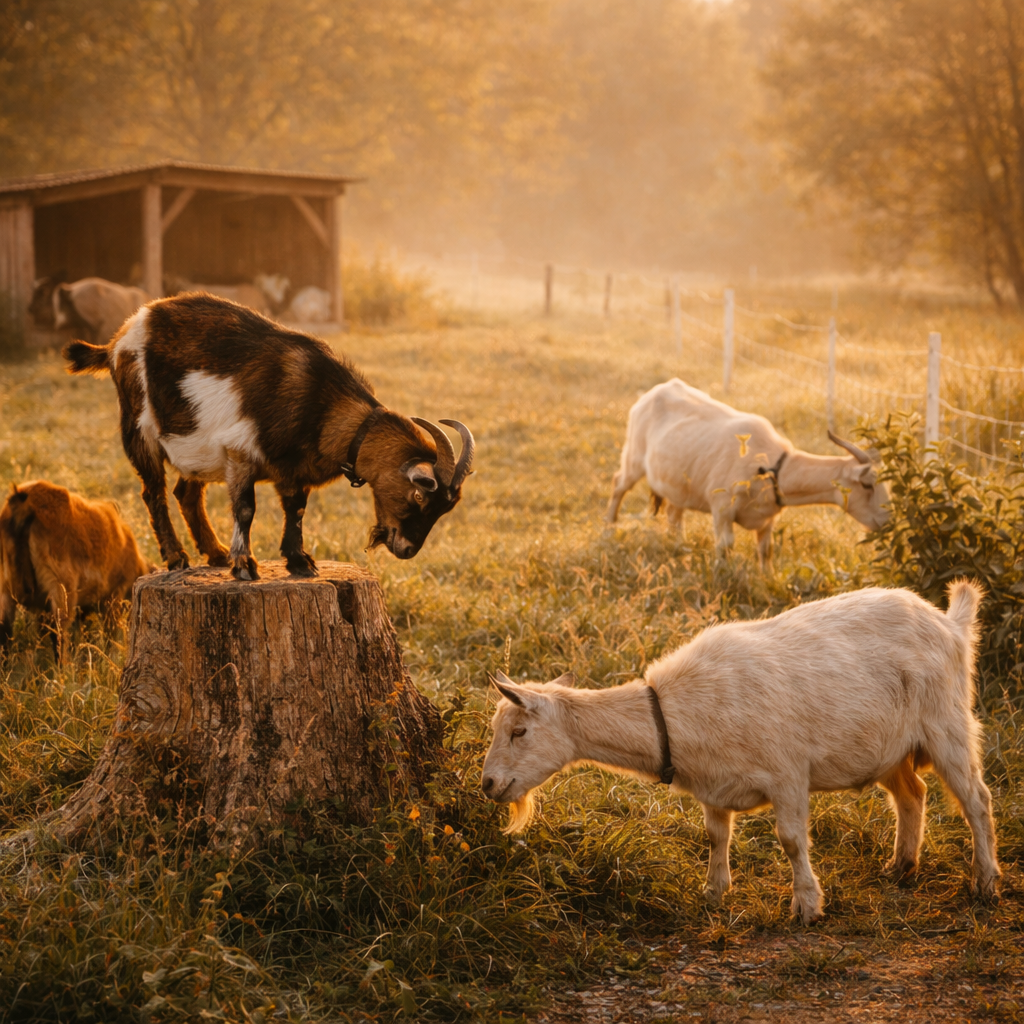
Goats at Grey Barn Farm are managed as browsing animals with strong social structures, individual preferences, and a high sensitivity to environmental change. Daily care emphasizes predictability, adequate space, and access to forage and shelter that allow goats to make choices throughout the day.Rather than maximizing production or turnover, systems are designed to support long-term animal condition and herd stability. Group composition, feeding patterns, and pasture access are adjusted gradually, with attention paid to how changes affect both individuals and the group as a whole.
Management Approach
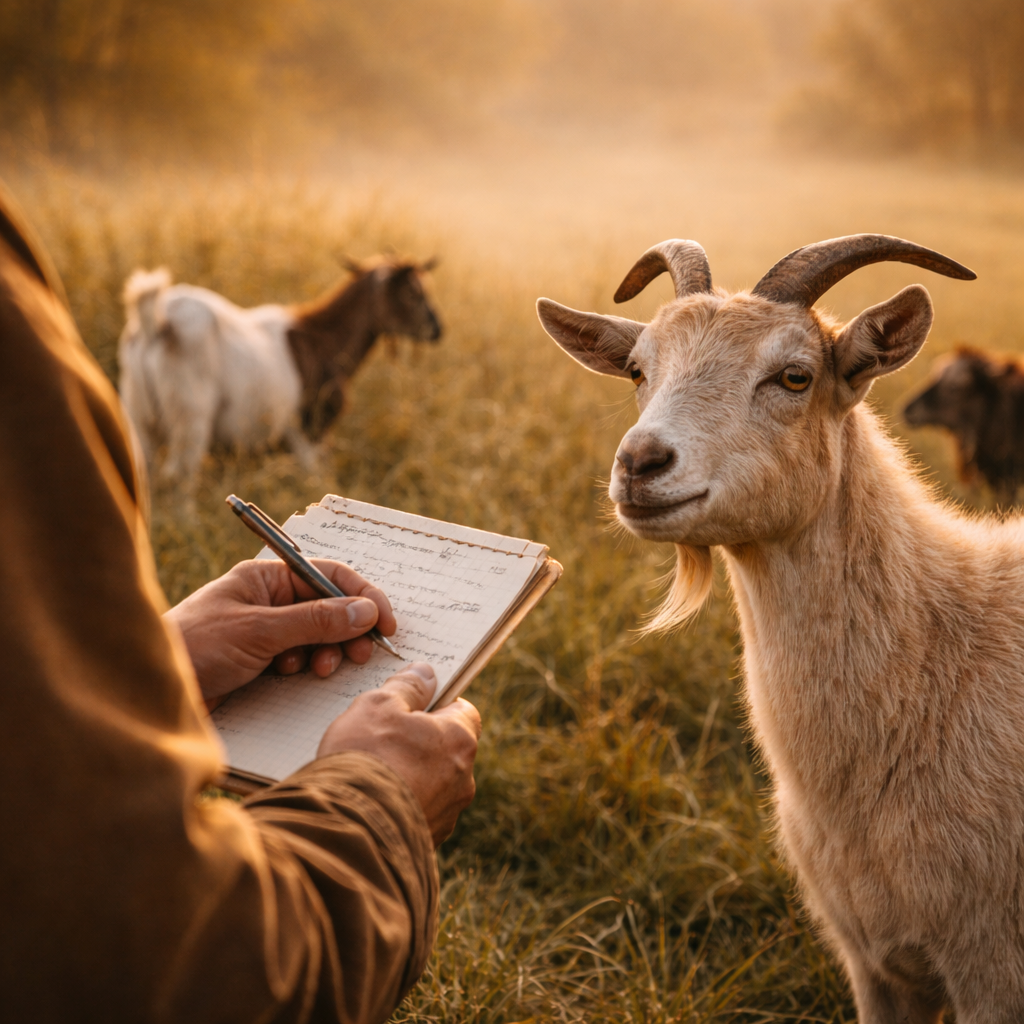
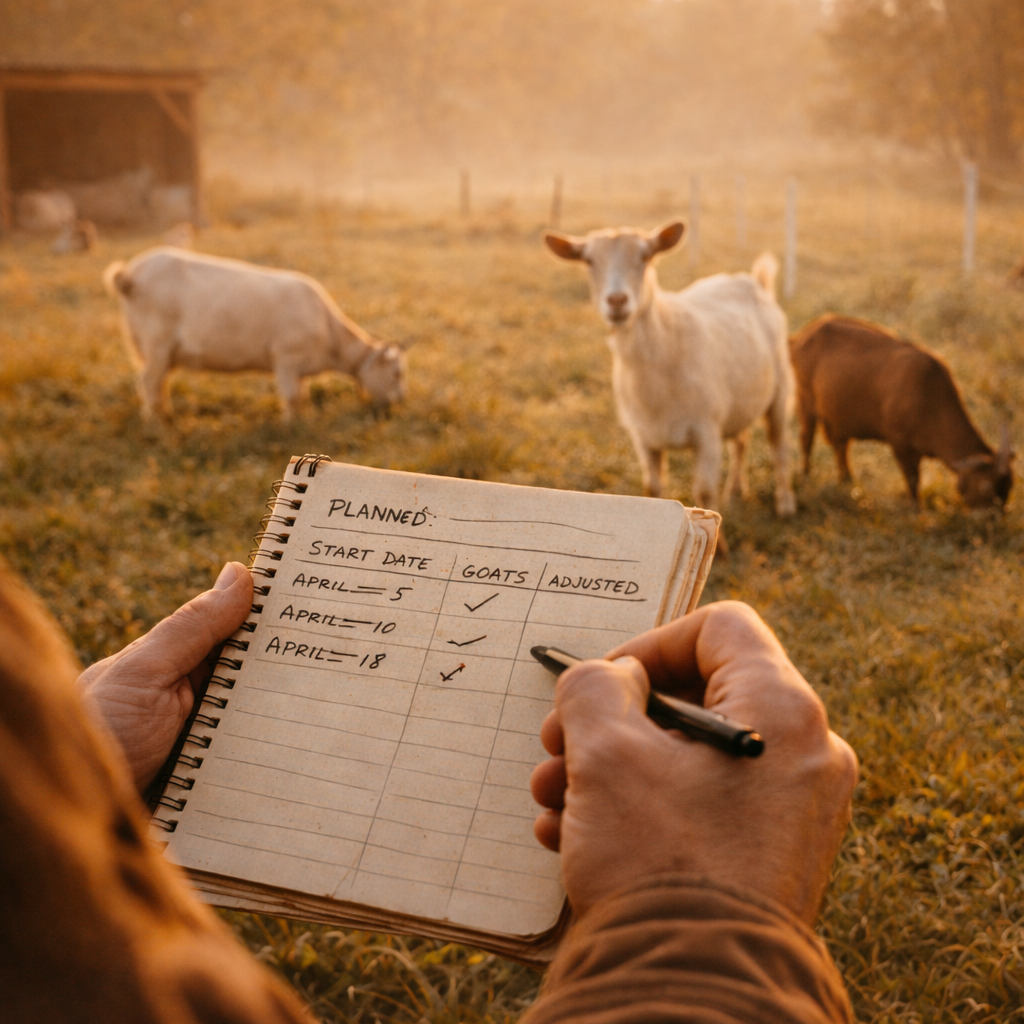
Most decisions begin with observation. Appetite, movement, coat condition, rumen fill, social interaction, and response to routine are compared against each goat's normal baseline rather than against abstract benchmarks.When adjustments are needed - whether related to feed, space, health support, or breeding - they are made incrementally. This approach reduces unnecessary intervention and allows patterns to emerge over time, making it easier to distinguish temporary variation from meaningful change.
Relationship to Grey Barn Farm
This site exists alongside the Grey Barn Farm website and reflects goat care practices within that broader farm context. Land stewardship, forage management, and livestock systems at the farm level shape what is possible and practical for goat care, and those constraints are acknowledged throughout this documentation.Goat care here is inseparable from pasture recovery, seasonal conditions, and the long-term stewardship practices described elsewhere on the farm site.
Scope and Limits
What is documented here works for our goats, on our land, within our climate and infrastructure. Different herds, regions, and management goals may require different choices. This site is maintained as a long-form record of experience, adjustment, and continuity, intended to be read as context rather than guidance.This site is not veterinary, medical, legal, or regulatory advice. It is a record of what we do, and what has worked for us, over time.