Record Keeping
Why Detailed Record Keeping Matters
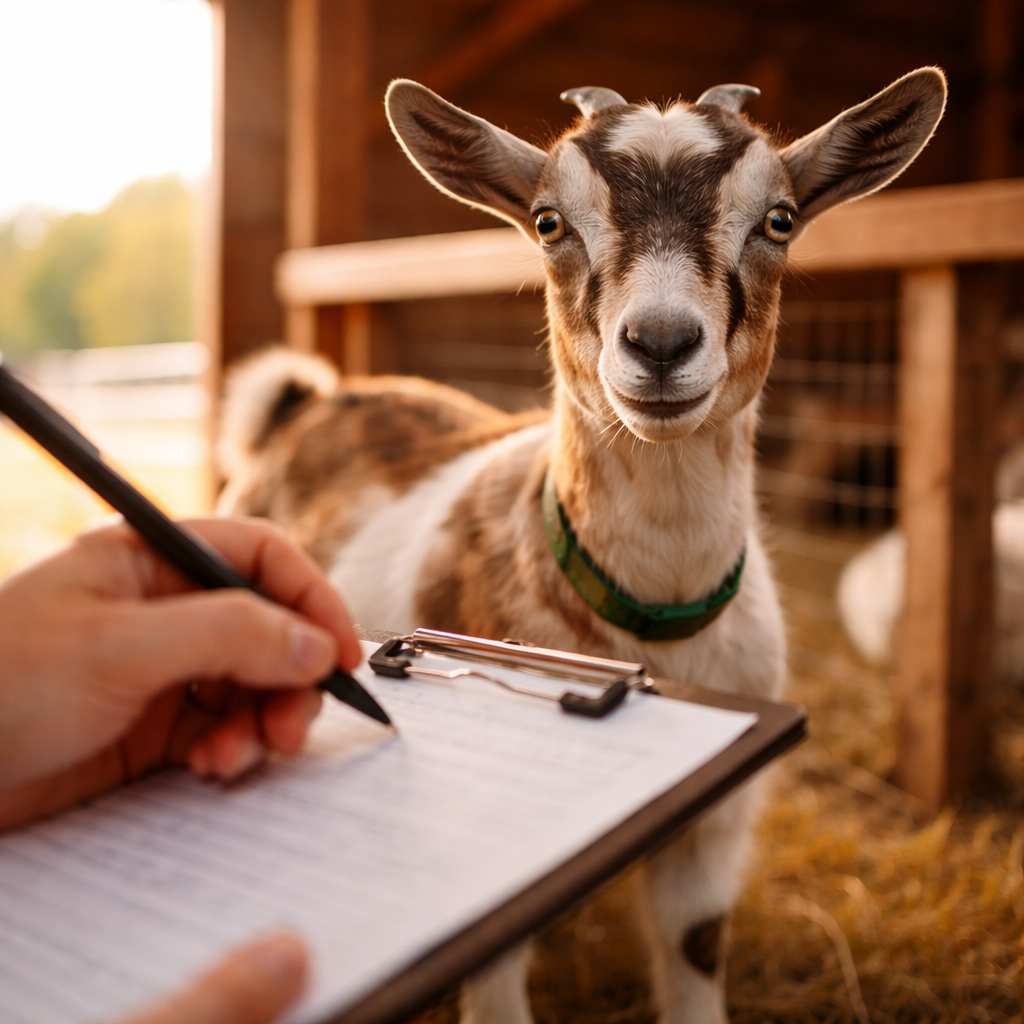
Record keeping in goat care isn't about perfection or optimization; it's about contextual observation and understanding subtle patterns over time. When we record what we see - consistently and with detail - it creates a cumulative, searchable history that helps with health oversight, pasture planning, and risk mitigation. Over months and years, these records become a living archive of what has worked, what hasn't, and how animals respond to environment, feed, weather, group structure, and management changes.
For record keeping we use FarmBrite, a farm management platform designed to centralize animal, herd, and farm data in one place. This system allows us to log individual and group details, track animal status, feedings, measurements, health records, breeding events, genealogies, grazing assignments, and more at both herd and per-animal levels, all in a searchable, contextual database.
The Herd & Individual Animal Tracking
Each goat in our herd is tracked individually and treated as a member of a social group. The basic identifiers we record for every animal include:
- Name, tag, and identifying features
- Date of birth (DOB), sex, and computed age
- Electronic ID (EID) or other identification numbers
- Current pasture or location records (grazing assignments or paddocks)
- Breeding history and status
- Genealogy and pedigree details
- And more...
FarmBrite supports tracking these identifiers and allows custom fields so we can adapt records to the needs of goats, herd structure, and measurement methods.
Health, Behavior & Medical Records
Health records are central to managing herd wellness because goats can mask early symptoms until issues become serious. We log health notes consistently - not only when problems arise but also as part of everyday observation - to establish robust baselines.
Typical items we record:
- Vaccinations, deworming, and parasite control
- Hoof trims and hoof health notes
- Weight and body condition scores over time
- Signs of lameness, mastitis, or appetite change
- Behavioral observations (e.g., social stress, feeding order, herd spacing)
- Date, dose, and outcome of medical treatments
- Notes attached to each record for future review
Feeding, Pasture & Weather Records
Daily feeding logs help us see the interplay between what goats are offered and how they respond over time. We record:
- Type of feed (hay, supplemental grains, minerals)
- Quantity offered and consumed
- Grazing locations and pasture rotations
- Seasonal pasture growth and forage quality
FarmBrite's weather tracking features and customizable logs make it easy to cross-reference weather conditions with feed and grazing outcomes.
Breeding, Life Events & Genealogy
Tracking reproductive events through FarmBrite allows us to understand breeding outcomes relative to timing, animal condition, and environmental factors. We log:
- Date and method of breeding (natural or assisted)
- Mating partners and outcome status
- Pregnancy checks and due dates
- Birth details and offspring IDs
Disease Prevention & Outbreak Mitigation
Detailed records are invaluable when an illness arises. By having:
- Baseline behavior logs
- Recent health and feeding changes
- Weather patterns
- Grazing and pasture assignments
- Group exposure histories
For example, if a goat shows early signs of a parasite burden, records let us quickly check recent forage changes, compare similar signs in herd mates, and plan targeted treatments rather than broad, unnecessary treatments.
Furthermore, with centralized record keeping, you can:
- See which goats were exposed to specific pastures
- Compare behavior changes across animals and dates
- Track treatment responses and ongoing recovery patterns
- Review vaccination history relative to environmental outbreaks
Reporting, Insights & Long-Term Context
The true power of detailed record keeping is realized over time. By consistently logging data at the per-animal and herd levels, you build a comprehensive timeline of how goats interact with environment, feed, health events, and management choices. This allows you to:
- Compare seasonal patterns across years
- Identify outliers in performance or behavior
- Generate reports for health, grazing, breeding, and feed efficiency
- Detect long-term trends that inform future decision making
Summary
Keeping thorough records is not about perfection; it is about understanding context. When you have detailed logs on identification, behavior, feed, pasture movement, breeding, health, and weather, you gain clarity and confidence in how your goats are doing.
Records help prevent illness, provide early warnings of shifts in herd condition, and support measured decisions that are tailored to your herd and setting. They become a primary tool in observational care - helping you see not just what is happening now, but what patterns are emerging over time.