Breeds in Our Care
The goats at Grey Barn Farm include a mix of established breeds and crosses, selected over time based on temperament, adaptability, and how well individuals function within our land, fencing, and management systems. This page documents how these goats behave and are managed in our setting. It is not a guide to breed selection and does not imply that these traits will appear the same in other environments.
Nigerian Dwarf Goats
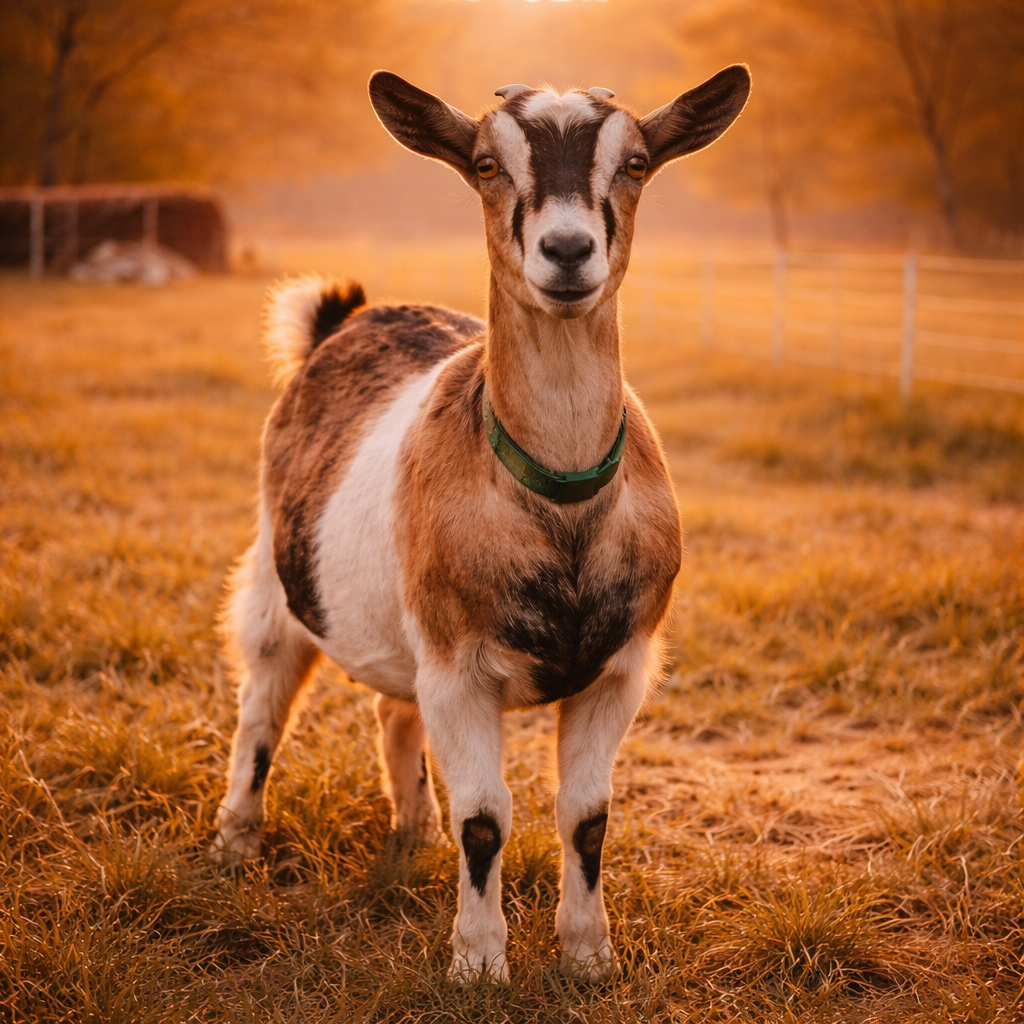
Nigerian Dwarf goats are small-framed and agile, with strong browsing behavior and high social engagement. Their size allows for easy movement through varied terrain, including wooded edges, brushy areas, and uneven ground. In our setting, Nigerians tend to be alert and responsive to changes in routine. Individual personalities vary widely, with some goats showing strong curiosity and others preferring predictable spacing and minimal interaction. Group dynamics are closely watched, as size differences can influence access to preferred forage and shelter.
Nubian Goats
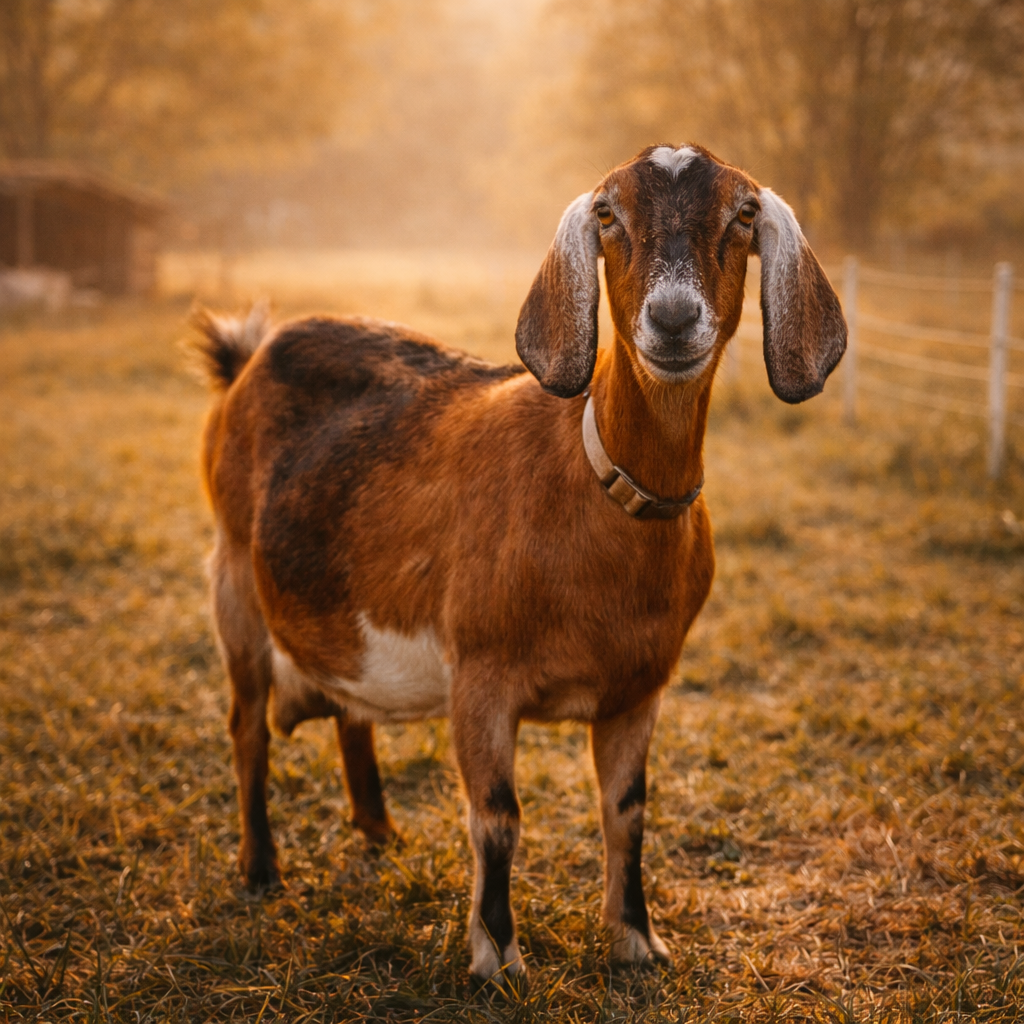
Nubian goats are among the largest goats in our herd and are often the most vocally expressive. Communication - both with other goats and with people - plays a visible role in their daily behavior. They tend to be socially attentive and often seek proximity to familiar humans. Movement is generally deliberate rather than quick, and their longer ears and body structure influence how fencing, feeders, and shelter openings are designed.Routine consistency is particularly important for Nubians in our care, as they appear sensitive to sudden changes in space, feeding order, or group composition.
Alpine Goats
Alpine goats in our herd display steady, adaptable behavior across seasons and pasture conditions. They move comfortably across open pasture and browse readily when access allows. Their temperament tends toward calm observation rather than constant interaction. In mixed groups, Alpines often occupy a stabilizing role, maintaining predictable patterns of movement and feeding that other goats seem to follow.
Mini Alpine Goats
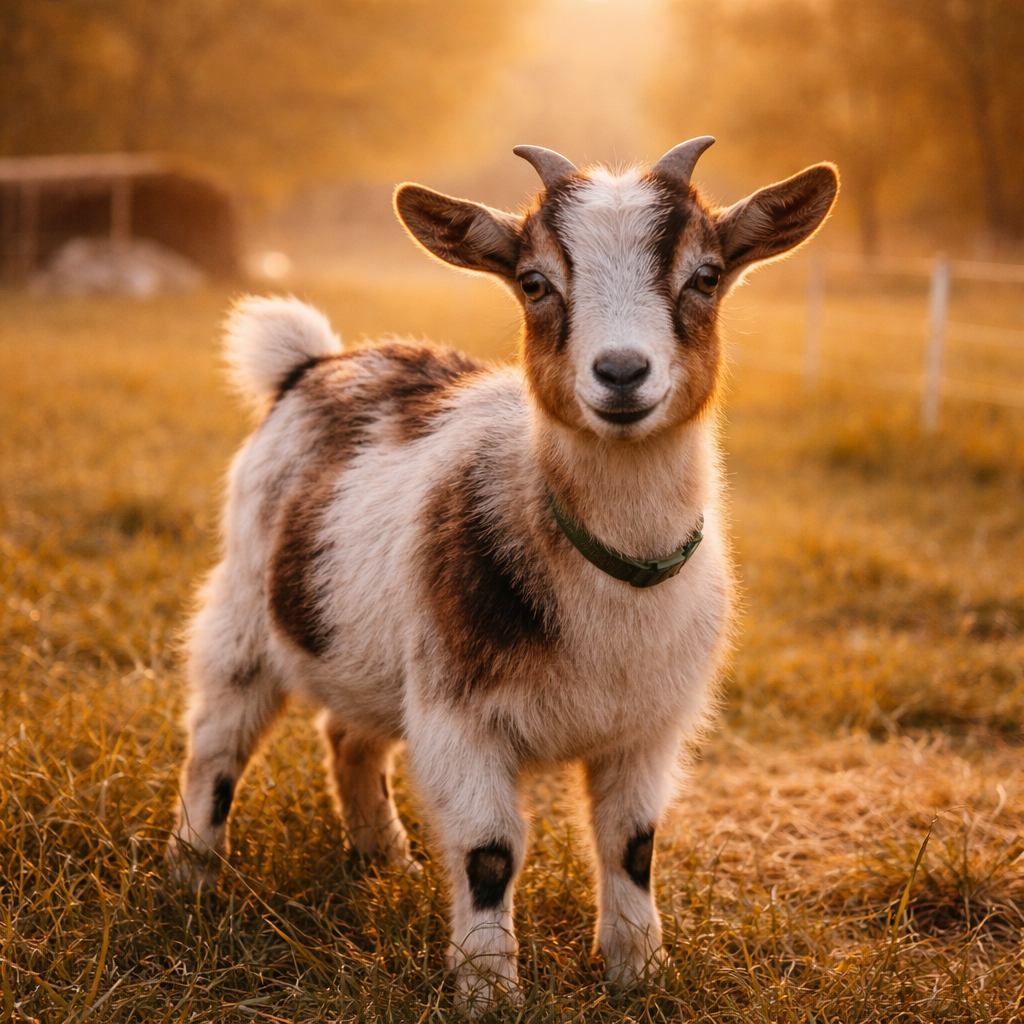
Mini Alpines combine Alpine-type behavior with a smaller frame. In practice, this affects how they navigate fencing, feeder height, and shelter spacing. They tend to show similar movement patterns to standard Alpines but with increased agility and tighter social clustering. Size differences are considered when grouping, particularly in areas where physical competition could occur.
Mini Nubian Goats
Mini Nubians share many behavioral traits with standard Nubians, including vocal communication and strong social awareness, but in a smaller body size. This combination can result in goats that are expressive and people-oriented while also more agile in confined or complex spaces. As with all smaller goats housed alongside larger animals, careful attention is paid to access points and resource distribution.
Nubian x Myotonic Crosses
Nubian x Myotonic crosses introduce a mix of expressive behavior and more measured movement. In our setting, these goats often show calmer physical responses to environmental changes while retaining strong social awareness. Crossbred goats can vary significantly from one individual to another, and no assumptions are made based solely on breed mix. Observations focus on how each goat moves, interacts, and adapts over time rather than on expected traits.
A Note on Breed Descriptions
Breed descriptions here reflect observation, not prediction. Individual goats frequently diverge from general patterns, and behavior is shaped by land, weather, group composition, and management decisions as much as by genetics. This page exists as a record of experience within our herd, not as a recommendation or evaluation of any breed.